

Introduction
Creativity shows up in countless ways throughout everyday life. It is present when someone writes a story, paints a canvas, solves a problem at work, experiments with a new recipe, designs a room, composes music, or approaches a challenge from a fresh perspective. While creativity is often associated with artists and performers, the truth is that creative thinking influences nearly every aspect of modern life.
Within cannabis culture, discussions about creativity have existed for generations. Musicians, writers, designers, filmmakers, and countless enthusiasts have long described cannabis as part of their creative routines. Some view it as a tool for helping them explore ideas from new angles, while others appreciate how it encourages curiosity, reflection, or imaginative thinking.
The relationship between cannabis and creativity is complex, personal, and highly individual. There is no universal creative formula, and experiences can vary significantly from person to person. Nevertheless, the connection between cannabis and creative expression remains one of the most fascinating topics within cannabis culture.
Why Creativity Matters in Daily Life
Before exploring cannabis specifically, it is important to recognize that creativity extends far beyond traditional artistic activities.
Creativity helps people solve problems, adapt to change, communicate effectively, and develop new ideas. It influences entrepreneurship, education, design, technology, relationships, and countless other areas of life.
Many of the world’s most innovative breakthroughs emerged because someone approached a familiar problem from a different perspective. Creativity is not limited to artistic talent; it is a way of thinking.
Because creativity plays such a central role in everyday experiences, it is understandable why many people are interested in anything that may influence their creative process.
The Historical Link Between Cannabis and Creative Communities
Artists and Cannabis Through the Decades
Cannabis has maintained a visible presence within creative communities for many years.
Musicians, visual artists, filmmakers, comedians, writers, and performers have frequently discussed cannabis in relation to their work. Throughout different cultural eras, cannabis became associated with experimentation, self-expression, and unconventional thinking.
This connection helped shape public perceptions of cannabis as a substance linked to creativity and artistic exploration.
Cultural Influence
As creative figures openly incorporated cannabis themes into their work, cannabis culture and creative culture became increasingly interconnected.
Music, film, literature, visual arts, and entertainment often reflected this relationship, reinforcing the idea that creativity and cannabis frequently occupy overlapping cultural spaces.
How Cannabis May Influence Creative Thinking
Shifting Perspective
One reason many enthusiasts associate cannabis with creativity is its ability to alter perspective.
Creative breakthroughs often occur when individuals view familiar concepts in unfamiliar ways. Some cannabis users report that ideas, patterns, or connections become more noticeable during certain experiences.
This shift in perspective may encourage exploration of possibilities that might otherwise be overlooked during routine thinking.
Increased Curiosity
Curiosity plays a major role in creativity.
Many creative processes begin with questions rather than answers. Some individuals describe cannabis experiences as encouraging deeper curiosity about topics, ideas, emotions, or observations.
This heightened curiosity can sometimes lead people to explore concepts more thoroughly, which may contribute to creative development.
Enhanced Focus on Details
Certain creative activities benefit from close attention to detail.
Writers may spend additional time refining language. Musicians may notice subtle sounds. Designers may focus more carefully on visual elements.
Some enthusiasts report that cannabis helps them become immersed in particular aspects of a project, allowing them to engage more deeply with the creative process.
Cannabis and Different Forms of Creativity
Writing and Storytelling
Many writers enjoy activities that encourage reflection and imagination.
Creative writing often involves building worlds, developing characters, exploring emotions, and considering alternative perspectives. Some cannabis enthusiasts report that these activities feel particularly engaging during reflective moments.
Brainstorming sessions, idea generation, and free writing exercises are commonly mentioned in discussions about cannabis and writing.
Music and Sound
The relationship between cannabis and music is deeply rooted in cultural history.
Many enthusiasts describe listening to music as a richer sensory experience. Musicians sometimes discuss heightened awareness of rhythm, melody, instrumentation, and production details.
Whether creating music or simply appreciating it, sound often occupies a central place within cannabis culture.
Visual Arts
Visual artists frequently explore creativity through experimentation.
Painting, illustration, photography, digital art, sculpture, and graphic design all require a willingness to explore possibilities and take creative risks.
Some artists describe cannabis as encouraging more open-ended exploration during the early stages of creative development.
Culinary Creativity
Creativity extends into the kitchen as well.
Cooking combines experimentation, problem-solving, sensory awareness, and artistic presentation. Many cannabis enthusiasts enjoy developing recipes, exploring flavor combinations, and approaching food preparation as a creative activity.
The process of creating something enjoyable from simple ingredients reflects creativity in a highly practical form.
The Importance of Environment
Creativity Thrives in the Right Setting
Creative experiences are often influenced by surroundings.
A comfortable workspace, inspiring music, interesting conversations, natural environments, or uninterrupted time can all contribute to creative productivity.
Many enthusiasts emphasize that environment plays an equally important role as any individual tool or routine.
Creating Personal Rituals
Creative people frequently develop rituals that help them enter a productive mindset.
These rituals might include listening to music, journaling, taking walks, sketching ideas, organizing a workspace, or setting aside dedicated creative time.
Cannabis may be one component of a broader creative routine for some individuals, but successful creativity generally involves multiple habits working together.
Creativity Beyond the Arts
One common misconception is that creativity belongs exclusively to artists.
In reality, creativity appears in entrepreneurship, business development, education, communication, technology, architecture, engineering, and everyday problem-solving.
People use creativity when planning events, managing projects, decorating homes, building businesses, and finding solutions to unexpected challenges.
Viewing creativity through this broader lens helps explain why discussions about cannabis and creativity extend beyond artistic communities.
Individual Experiences Matter
One of the most important realities of cannabis culture is that experiences vary significantly from person to person.
What feels inspiring for one individual may not feel the same for another. Personal preferences, environment, mindset, experience level, and countless other factors can influence outcomes.
Because creativity itself is highly personal, there is no single experience that applies universally.
The most productive creative routines are often those developed through self-awareness, experimentation, and understanding individual preferences.
Cannabis Culture’s Celebration of Creativity
Creativity remains one of the defining characteristics of cannabis culture.
Across music, art, fashion, entertainment, entrepreneurship, and community-building, creative expression continues to shape the identity of the cannabis world.
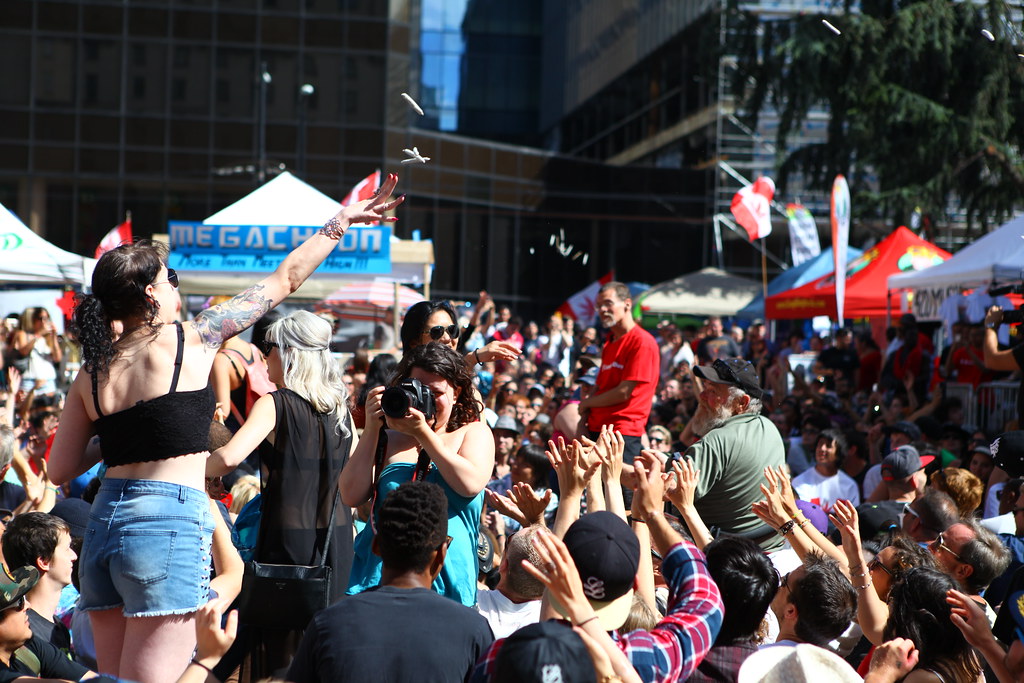
Cannabis events frequently showcase artists. Cannabis brands often emphasize design and storytelling. Cannabis communities celebrate originality, innovation, and personal expression.
This cultural embrace of creativity helps explain why the topic continues to resonate with enthusiasts around the world.
Conclusion
The relationship between cannabis and everyday creativity is a fascinating and deeply personal subject. While experiences differ from person to person, cannabis has long occupied a unique place within creative communities and cultural movements.
For many enthusiasts, the connection is not necessarily about producing masterpieces or achieving extraordinary results. Instead, it is about encouraging curiosity, exploring ideas, appreciating details, and engaging more deeply with creative experiences.
Whether creativity takes the form of writing, music, art, cooking, entrepreneurship, problem-solving, or simple self-expression, it remains one of the most meaningful aspects of human experience. As cannabis culture continues to evolve, the conversation surrounding creativity will likely remain one of its most enduring and compelling themes.